
UN FAO's 2026 confirms Antarctica as global benchmark for sustainable fisheries
Small by nature. Packed with potential.
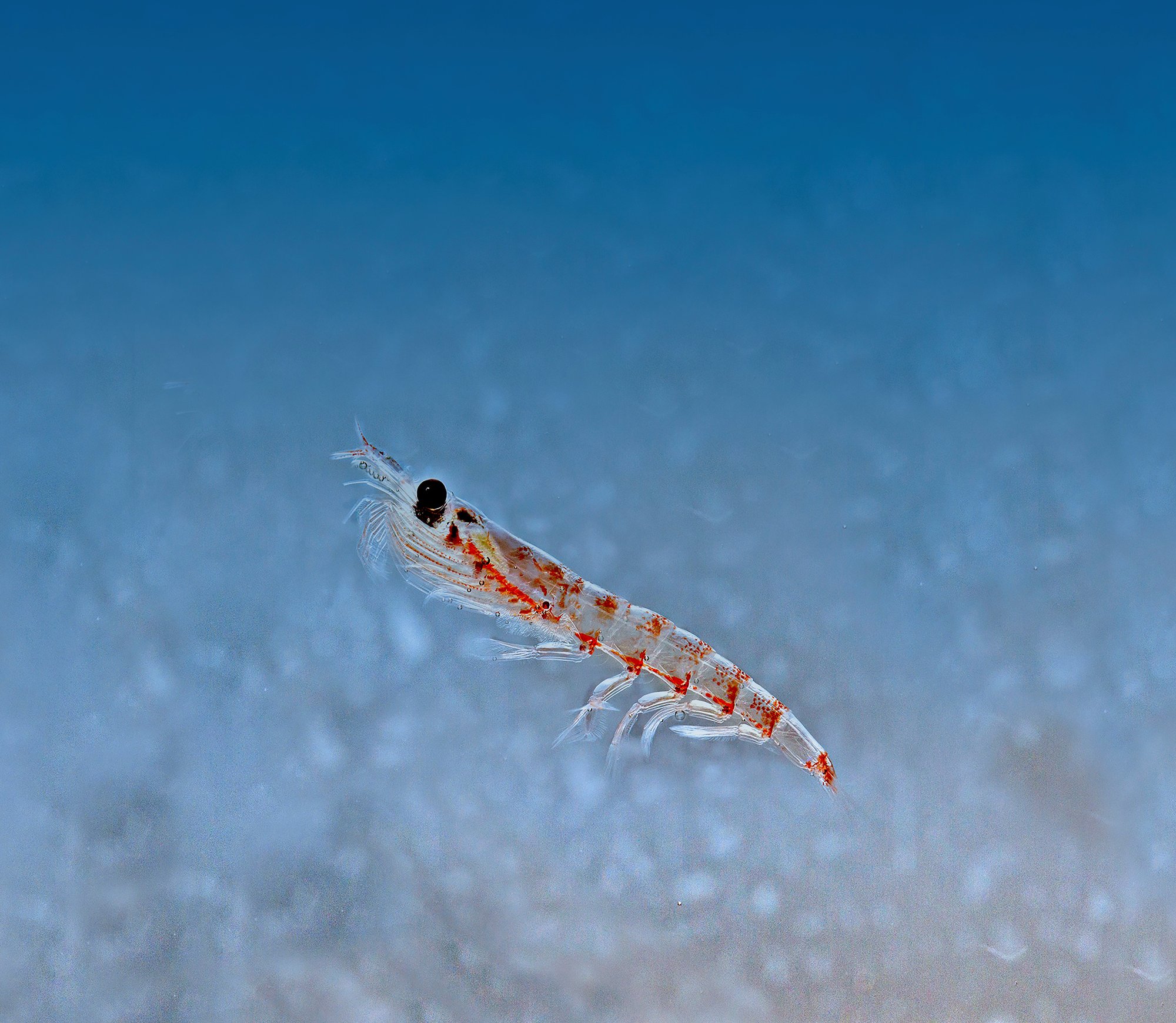
Antarctic krill is naturally rich in marine proteins, omega-3 fatty acids, phospholipids, and astaxanthin. These nutrients, combined with krill's functional properties, make it a valuable ingredient for aquaculture, animal nutrition, and human health.
What's inside krill?
Marine proteins
High-quality nutrition for animal feed
High-quality nutrition for animal feed
EPA + DHA
Long-chain marine omega-3 fatty acids
Long-chain marine omega-3 fatty acids
Phospholipids
A distinctive feature of krill's lipid composition
A distinctive feature of krill's lipid composition
Astaxanthin
A naturally occurring antioxidant and pigment
A naturally occurring antioxidant and pigment
What makes krill useful in aquaculture feed?
3.1 billion people
Aquatic foods provide at least one-fifth of animal protein intake for 3.1 billion people worldwide.
Source: FAO, The State of World Fisheries and Aquaculture 2026
Krill is both a source of nutrients and a functional feed ingredient for farmed seafood. It is attractive to fish and shrimp and can support feed intake, growth, feed efficiency, and resilience.
Because krill can be effective at relatively low inclusion levels, feed producers also have greater flexibility to combine it with other raw materials.
What krill brings to feed
Nutrition
Marine proteins and omega-3 fatty acids EPA and DHA
Marine proteins and omega-3 fatty acids EPA and DHA
Feed attraction
Helps encourage fish and shrimp to find and consume feed
Helps encourage fish and shrimp to find and consume feed
Performance
Supports growth and efficient use of feed
Supports growth and efficient use of feed
Flexibility
Can complement marine, plant-based, and newer feed ingredients
Can complement marine, plant-based, and newer feed ingredients
One ingredient. Many species.
Atlantic salmon may be the familiar face of krill-fed aquaculture in Norway, but most of Aker QRILL Company's krill meal goes elsewhere.
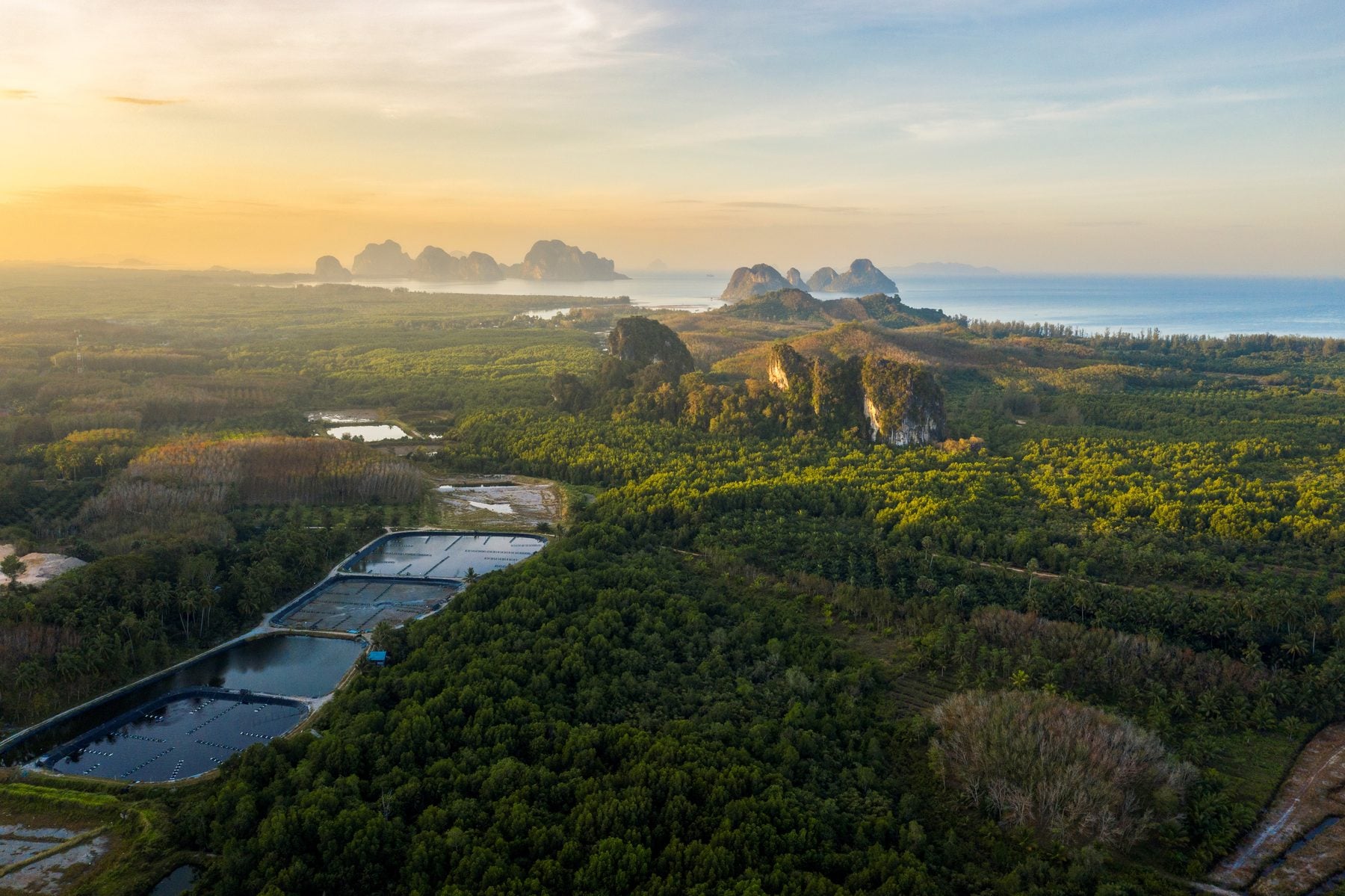
Much of the world's shrimp farming takes place in Asia and Latin America. The industry supports food production, jobs, and export income, with farms ranging from large producers to small, family-run businesses.
For those farmers, feed performance has real-life consequences. Shrimp need to find it, eat it, and make efficient use of the nutrients it contains. Research has linked krill inclusion with increased feed intake and improvements in growth, survival, and feed efficiency under different farming conditions.
60–70%
of Aker QRILL Company's krill meal is used in feed for farmed shrimp and other species in Latin America and South East Asia.
Source: Aker QRILL Company sales data
From krill to people
Aquaculture is the largest use of krill, but its nutrients can also reach people directly.
Krill oil is naturally rich in the long-chain omega-3 fatty acids EPA and DHA, which support important functions in the body, including heart and brain health.
Much of the omega-3 in krill oil is bound to phospholipids, distinguishing it from many conventional sources of omega-3.
A small creature at the heart of Antarctica
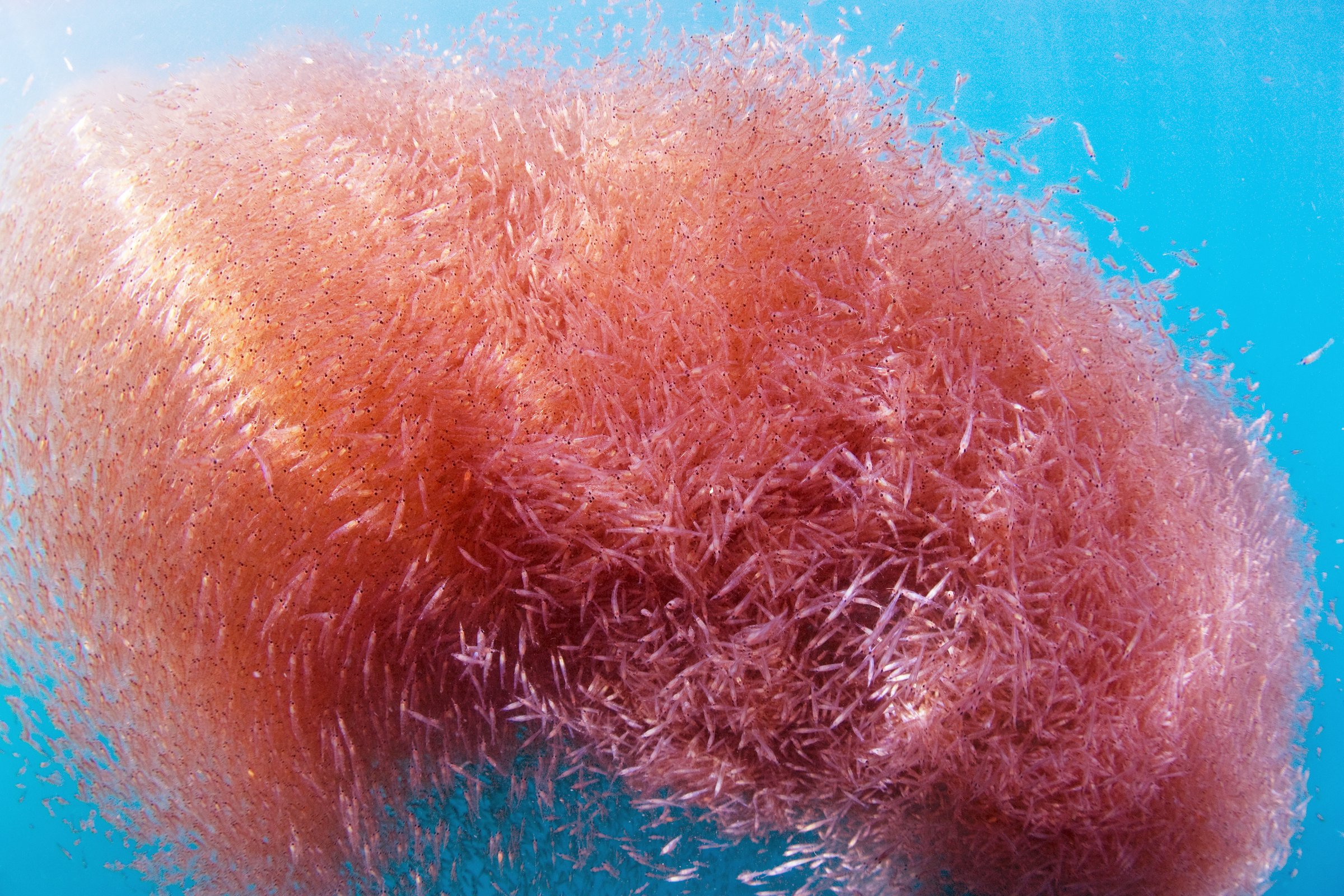
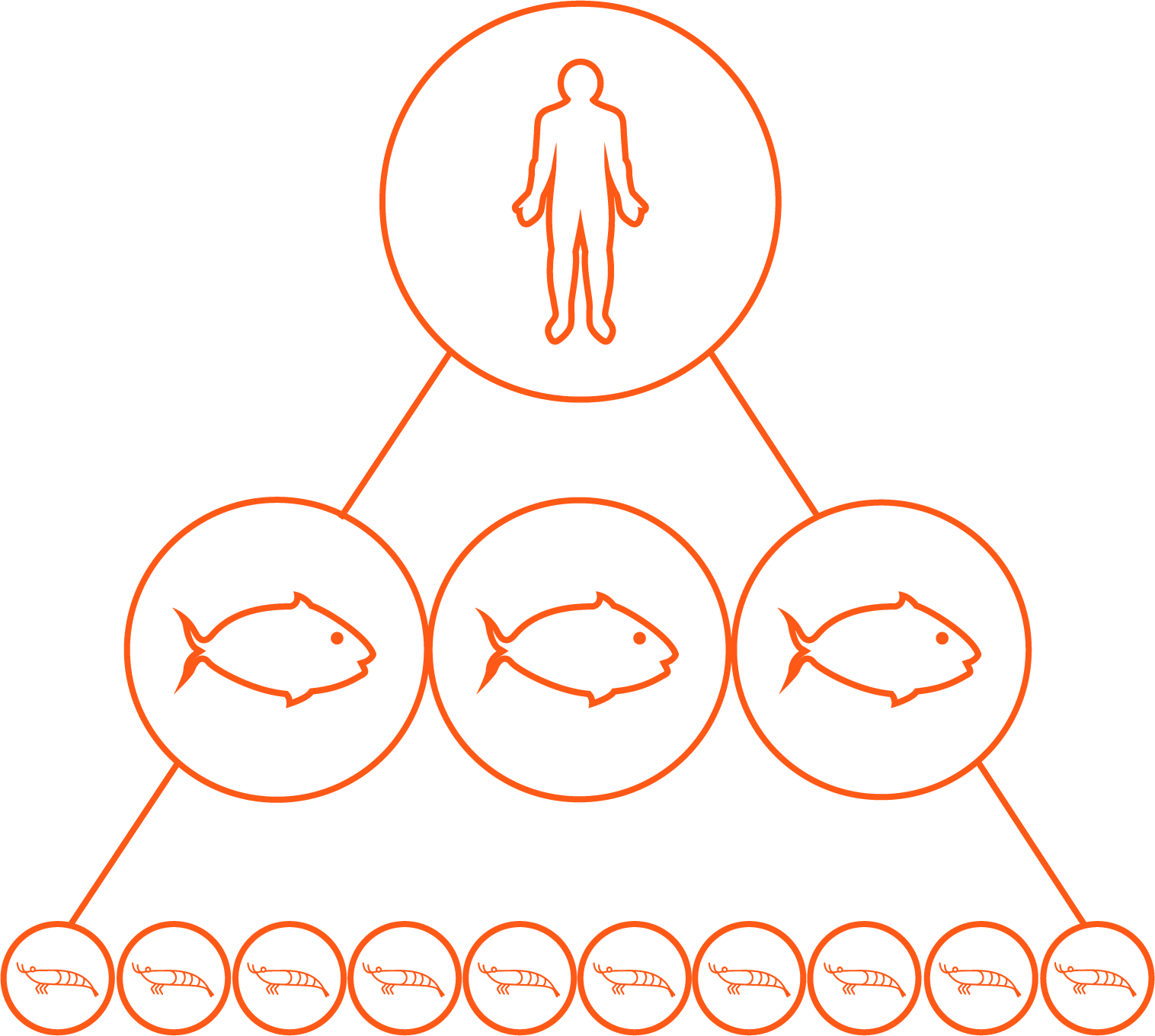
Krill feeds on phytoplankton and, in turn, provides food for whales, seals, penguins, fish, and other species. It sits at the heart of the Antarctic food web.
Krill's value comes with a responsibility to protect the place it comes from.
How is Antarctic krill fishing managed?
The Antarctic krill fishery is internationally managed by the Commission for the Conservation of Antarctic Marine Living Resources (CCAMLR), which takes a precautionary approach designed to conserve Antarctic marine life while allowing its rational use.
But responsible management is not only about how much krill is harvested. Where and when fishing takes place matters too, helping to limit concentrated pressure in areas where predators depend on krill.
Aker QRILL Company's fishery is MSC certified, and we invest in scientific research, monitoring, and harvesting technology to better understand and reduce our impact on the Antarctic ecosystem.
620,000 tons
The current catch trigger level in Area 48, where most krill fishing occurs.
Responsible harvesting has several dimensions
How much
Science-based catch limits
Science-based catch limits
Where
Managing the spatial concentration of fishing
Managing the spatial concentration of fishing
When
Considering interactions with predators and sensitive periods
Considering interactions with predators and sensitive periods
How
Research, monitoring, certification, and harvesting technology
Research, monitoring, certification, and harvesting technology
Why does krill matter?
Krill has a valuable role to play in a changing global food system. It can help farmed fish and shrimp get more from their feed, support aquaculture production across continents, and provide omega-3 directly to people.
Realizing that value depends on protecting the Antarctic ecosystem it comes from. There can be no long-term value in krill without a healthy Antarctica.
Frequently asked questions
What is Antarctic krill?
Antarctic krill (Euphausia superba) is a small crustacean found in the Southern Ocean around Antarctica and an important part of the Antarctic food web.
What is krill used for?
Krill is used primarily as an ingredient in aquaculture and animal feed and as a source of omega-3 for human nutrition.
Is krill only used to feed salmon?
No. Around 60–70% of Aker QRILL Company's krill meal is used in feed for farmed shrimp, with important markets across Asia and Latin America.
Why is krill used in aquaculture feed?
Krill provides marine proteins, omega-3 fatty acids, phospholipids, and astaxanthin and has functional properties that can support feed intake, growth, feed efficiency, and resilience.
Is Antarctic krill fishing sustainable?
Antarctic krill fishing is internationally regulated by CCAMLR using a precautionary management approach. Aker QRILL Company's krill fishery is also MSC certified.